

European roulette is one of the most iconic and popular games in the world of casinos. It is a game of chance that has captivated the hearts of players from all corners of the globe. Whether you are a seasoned gambler or a newcomer, understanding the intricacies of European roulette can enhance your gaming experience significantly. In this comprehensive guide, we will delve into the rules, strategies, and history of European roulette, ensuring you have all the knowledge needed for a thrilling experience. For more insights, you can visit european roulette casino ramseyroadrunners.org.uk.
What is European Roulette?
European roulette is a popular variant of the classic roulette game that features a spinning wheel with 37 pockets, numbered from 0 to 36. The main distinguishing feature of European roulette, compared to its American counterpart, is the single zero (0), which affects the house edge. The presence of just one zero makes the odds slightly more favorable for players in European roulette.
The Roulette Wheel and Layout
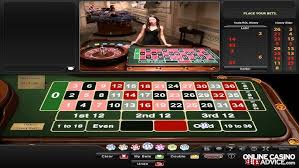
The European roulette wheel consists of the numbers 1 through 36, alternating between red and black colors, with the exception of the green 0. The corresponding betting layout on the table allows players to place various types of bets, including inside and outside bets. The design of the wheel and the layout of the table play an essential role in how the game is played, as they dictate where bets can be placed and what winnings can be expected.
Rules of European Roulette
The rules of European roulette are straightforward, making it accessible to players of all experience levels. Here’s a basic rundown of how to play the game:
- Players place their bets on the table layout before the dealer spins the wheel.
- The dealer spins the wheel and releases a small ball in the opposite direction.
- The ball eventually loses momentum and lands in one of the numbered pockets.
- Payouts are made based on the bets placed and where the ball lands.
Types of Bets
In European roulette, players can place two main types of bets: inside bets and outside bets. Understanding these bets is crucial for anyone looking to develop a winning strategy.
Inside Bets
Inside bets are placed on specific numbers or small groups of numbers. These bets offer higher payouts but come with higher risk. Common inside bets include:
- Straight Bet: Bet on a single number.
- Split Bet: Bet on two adjacent numbers.
- Street Bet: Bet on three numbers in a horizontal line.
- Corner Bet: Bet on four numbers that meet at a corner.
- Six Line Bet: Bet on two adjacent rows of three numbers.
Outside Bets
Outside bets cover larger groups of numbers and provide better odds for winning. They include the following:
- Red/Black: Bet on whether the ball will land on a red or black number.
- Odd/Even: Bet on whether the number will be odd or even.
- High/Low: Bet on whether the number will be in the high (19-36) or low (1-18) range.
- Dozen Bet: Bet on one of three groups of twelve numbers.
- Column Bet: Bet on one of the three vertical columns of numbers.
Strategies to Win at European Roulette
While roulette is primarily a game of chance, many players employ various strategies to maximize their chances of winning. Although no strategy guarantees success, here are some popular methods players have used:
The Martingale Strategy
The Martingale strategy is one of the most well-known betting systems. The basic principle is to double your bet after every loss, which allows you to recover your losses and gain a profit when you eventually win. However, this strategy requires a substantial bankroll, as a series of losses can lead to significant bets.
The Fibonacci Strategy

This strategy is based on the Fibonacci sequence, where each number is the sum of the two preceding ones. Players increase their bets according to this sequence after a loss and reverse back two steps after a win. It’s a more conservative approach than the Martingale system.
The D’Alembert Strategy
The D’Alembert system involves increasing your bet by one unit after a loss and decreasing it by one unit after a win. This is a balanced approach and is less risky than other strategies.
History of European Roulette
The history of roulette dates back to 18th-century France, where it was developed from various other games. The term “roulette” means “little wheel” in French, and it was initially popularized in Paris casinos. Over the centuries, roulette evolved, and the European version emerged with its single zero layout, making it a favorite among players worldwide. The game later spread to other parts of Europe and eventually made its way to the United States, where the American version, featuring a double zero, was created.
Playing European Roulette Online
With the advent of technology, playing European roulette has become more accessible than ever, thanks to online casinos. Players can now enjoy the game from the comfort of their homes or on mobile devices. Online casinos offer a variety of features, including live dealer games, which replicate the experience of being at a physical casino. However, it is essential to choose a reputable online casino to ensure fairness and security.
Advantages of Online European Roulette
- Accessibility: Play anytime, anywhere.
- Variety: Choose from various games and betting limits.
- Bonuses: Many online casinos offer bonuses and promotions.
- Live Dealer Games: Experience the thrill of a real casino from home.
Conclusion
European roulette remains a favorite among casino enthusiasts due to its simple rules, engaging gameplay, and the blend of chance and strategy. Whether you are playing in a traditional casino or online, understanding the game’s nuances and employing effective strategies can enhance your experience. Remember that while roulette is a game of chance, approaching it with knowledge and awareness can make all the difference. Whether you are looking to have fun or hoping to strike it lucky, European roulette offers an exhilarating gaming experience that will keep players coming back for more.