

Forex trading, also known as foreign exchange trading, is the act of buying and selling currencies with the aim of making a profit. In the world of finance, Forex is the largest and most liquid market, surpassing even the stock market in volume. For those looking to dive into this exciting arena, it’s essential to understand the fundamentals as well as advanced trading strategies. In this guide, we will take a deeper look into Forex trading and how you can get started effectively. For more insights, feel free to check trading in forex trader-maroc.com.
What is Forex Trading?
The Forex market operates 24 hours a day, five days a week, providing traders with the opportunity to trade at any time. Currency pairs are traded against one another, with the value of one currency relative to another. Traders aim to profit from fluctuations in exchange rates, buying a currency pair when they believe the price will increase and selling it when they expect it to fall.
Understanding Currency Pairs
In Forex trading, currencies are traded in pairs, which consist of a base currency and a quotation currency. The base currency is the first currency in the pair, while the quotation currency is the second. For example, in the currency pair EUR/USD, EUR is the base currency, and USD is the quote currency. The price of this pair reveals how much of the quote currency is needed to purchase one unit of the base currency.
Major Currency Pairs
The most traded currency pairs in the Forex market are known as major pairs. They include:
- EUR/USD – Euro / US Dollar
- USD/JPY – US Dollar / Japanese Yen
- GBP/USD – British Pound / US Dollar
- USD/CHF – US Dollar / Swiss Franc

Minor and Exotic Currency Pairs
Aside from major pairs, traders also engage in minor pairs (which do not involve the US Dollar) and exotic pairs (which include a major currency paired with a currency from a developing economy). While exotic pairs can offer high rewards, they often come with more considerable risks and higher spreads.
Trading Strategies
Adopting the right trading strategy is crucial for success in Forex trading. Depending on your risk tolerance and trading style, different strategies may suit you:
1. Scalping
Scalping involves making numerous trades throughout the day to capture small price changes. Scalpers typically hold their positions for a very short time, relying on a high trading volume and small profit margins.
2. Day Trading
Day trading involves opening and closing trades within the same day. Traders using this strategy aim to profit from short-term market movements without holding overnight risks.
3. Swing Trading
Swing traders hold positions for several days, focusing on capturing price swings in the market. This approach requires a keen understanding of market trends and the ability to analyze charts effectively.
4. Position Trading
Position trading is a long-term strategy where traders hold onto positions for weeks, months, or even years. This strategy is best suited for traders who prefer to take a hands-off approach.
Technical Analysis in Forex Trading
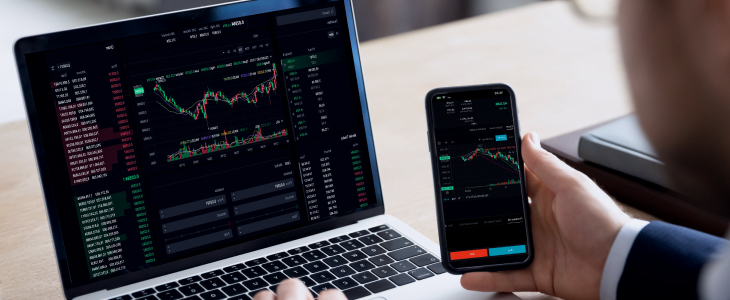
Technical analysis involves analyzing price charts and using various indicators to make trading decisions. Popular tools for technical analysis include:
- Moving Averages
- Relative Strength Index (RSI)
- Bollinger Bands
- Fibonacci Retracement Levels
By using these tools, traders can identify potential entry and exit points in the market.
Fundamental Analysis
Fundamental analysis focuses on economic indicators, news events, and geopolitical developments to assess the value of currencies. Key economic factors that influence currency values include:
- Interest rates
- Inflation rates
- Employment statistics
- Political stability
Risk Management
Risk management is vital in Forex trading to protect your capital and minimize losses. Some effective risk management strategies include:
- Setting stop-loss orders to limit potential losses
- Using proper position sizing based on account size and risk tolerance
- Diversifying investment across multiple currency pairs
The Psychological Aspect of Trading
The psychological aspect of trading can significantly impact a trader’s performance. Emotions such as fear, greed, and confidence can lead to poor trading decisions. Developing the discipline to stick to a trading plan and maintaining a clear mindset is essential for long-term success in Forex trading.
Choosing a Forex Broker
Selecting the right Forex broker is crucial for your trading experience. Here are several key factors to consider:
- Regulation and security of funds
- Trading platforms offered
- Spreads and commission fees
- Customer support quality
Conclusion
Forex trading offers exciting opportunities for market participants to profit from currency movements. However, it requires a solid understanding of the market, effective strategies, diligent risk management, and psychological discipline. Whether you are just starting or looking to improve your skills, continuous education and practice are key components in your trading journey.
Consider starting with a demo account to practice various strategies and techniques before committing real capital. As you become more familiar with the Forex market, you’ll find a trading style and approach that suits your unique personality and financial goals.