
So this turnover of white blood cells, these auto immune cells, cells that are not recognizing food correctly, they’re thinking your food is a pathogen, a foreign invader. So I was talking about how my body changed so much when I did that first fast. We go through these feast and famine cycles, it’s called diet variation, and I’ll talk about that in another video. However, so at 24 hours, we’re draining all the glycogen stores, so now the body has really nothing left to do, except for releasing ketones.

Blood parameter changes.
I was tired of going to bed, so I slept really well for 7 hours, waking only once for the toilet. I want to answer with a scientific answer supporting 40 hours as the magic number. Staying hydrated and maintaining mineral balance is crucial while fasting. Break Up With the KitchenDon’t torture yourself by hanging around food smells or staring into the fridge like it’s going to tell you secrets.Out of sight, out of mind. Whether you do a quick 24-hour flex or go for the full 72-hour superhero status, every hour your body is busy making you better. “Research suggests that autophagy13 may have a protective effect against aging, cancer, and other diseases,” explains Humaira Jamshed, Ph.D., a nutrition and TRE researcher at the Dhanani School of Science and Engineering.
Is a 20-Hour Fast Good for Weight Loss?
Based on different studies by de Toledo et al. (2019) and Cui et al. (2020), some individuals may experience constipation, diarrhea, nausea, and bloating while doing intermittent fasting [15] [16]. According to a 2010 study by Torelli and Manzoni, fasting headaches cause pain in the frontal area of the brain and are mainly caused by low blood sugar and caffeine withdrawal [11]. A review by Allaf et al. published in 2021 revealed that in 18 different studies on people doing intermittent fasting, mild headache was among the side effects [10]. However, other studies by Nugraha et al. (2020) showed that intermittent fasting can lower fatigue, especially when the body gets used to the fasting situation [9].
Stage 3: 16-24 Hours – Gluconeogenesis and Mild Ketosis
Before you begin fasting, reduce your intake of sugar and carbs to limit glycogen reserve and stabilize blood sugar levels, which can make the transition into prolonged fasting easier. Prolonged fasting, on the other hand, provides a more intensive metabolic shift, promoting both fat mass loss and cellular regeneration through extended periods without food intake. After 24 hours of fasting, the body is primarily using fat for energy, and ketosis becomes more pronounced. This is when autophagy, a cellular cleanup process, is thought to really kick into gear.
Time-restricted eating or the 16:8 method
While more research is needed on the benefits of intermittent fasting and how it may affect our health long term, there’s lots of promising data around it. Little and equivocal information is available regarding the effects of short-duration fasting on mood and cognition. There is evidence of adverse effects [4, 5] or no effects [6, 7] of total or near-total calorie deprivation on mood and cognition. Moreover, we are not aware of any previous randomized studies of the effect of a 48 h, zero-calorie diet on cognition and mood.
Intermittent fasting as a dietary practice has gained popularity recently due to the potential health benefits of the practice. A 48-hour fast is one of the longest fasting durations, with shorter fasting periods being more common. Your health goals or what you want to achieve by fasting will also affect the timing.
- A 24-hour fast involves abstaining from all foods and only drinking zero-calorie beverages such as water or unsweetened herbal teas for 24 hours.
- This process helps remove damaged proteins and organelles, potentially reducing your risk of age-related diseases.
- You can achieve a reduction in calorie intake in plenty of other ways that may be easier and healthier than fasting.
- Fasting also helps reduce inflammation and oxidative stress in the brain.
- However, anyone with diabetes or insulin resistance should consult with their healthcare provider before attempting any length of fasting.
- Fasting can have health benefits, such as increased weight loss and better brain function.
Fasting for two days is not something you do every week, it’s more common to do it once or possibly twice per month. I expected to feel hunger pains, and these were mostly present between the hours of into the fast. From my research, it seems typical to experience some side effects, although most are relatively mild and not cause for concern. I easily managed up to lunchtime by working for a few hours in the morning and having a few black coffees. The hunger pains started after 20 hours, and my stomach made some interesting noises in the evening.
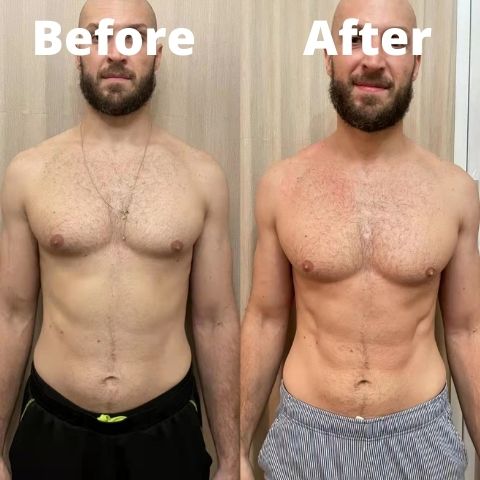
The Ultimate Prediabetes Diet – Everything You Need to Know
During fasting, insulin levels drop significantly, allowing the body to access stored fat for energy. Prolonged fasting has been shown to improve metabolic health by promoting fat burning and reducing insulin resistance. It can also help regulate blood sugar levels and help lower inflammation in the body. If you can do intermittent fasting for hours a day, you’ll burn through body fat and fill up quickly when you break your fast, which makes it easy to stay in a calorie deficit and lose weight. The 36 hour fast is a prolonged intermittent fasting and is mostly tried by those with more experience in fasting. This kind of fasting can boost metabolic health, help with weight loss, and renew cells.
The content on our website is for informational and educational purposes only and is not intended as medical advice or financial advice and does not replace a relationship with a qualified healthcare and finance professional. For three hours, I ate my main meal, which consisted of salmon, vegetables, and mashed potatoes. I experienced no indigestion issues, only some tiredness in the evening, so I went to bed at a decent time. The first 18 hours were the same as any other day for me, as I have been doing this for the last three months. Going past 18 hours with no food, and I started to suffer from a headache, but this may be because my coffee consumption was higher than normal for that morning (5 coffees instead of the usual 3).
The Ultimate Guide to 20:4 Intermittent Fasting: Benefits, Risks, and Getting Started
This recycling helps conserve energy and provides building blocks for new cell structures once the fast is broken. Individuals with blood pressure concerns should be cautious with prolonged fasting, as it can impact sodium and fluid levels. This may cause blood pressure to drop and potentially affect the effectiveness of blood pressure medications, requiring dosage adjustments. Over the next 24 to 48 hours of fasting, gradually increase the quantity and variety of foods, focusing on nutrient-dense options that are easy on your digestive system. If you’re new to fasting or have never done a prolonged fast before, it’s recommended to practice intermittent fasting first.
Will I lose muscle on 20:4 fasting?
We spend so much of our energy just breaking down food and processing it and eliminating it and absorbing the nutrients, so your body gets to actually have its time where it can rest. Mean 82 week resting metabolic rate was 1,206.3 ± 6.1 kilocalories and declined by only 6.5 kcls over that period. Although absolute LBM decline was significant, its decline relative to changes in total body mass was not. As a consequence, RMR change normalized by LBM of 25.4 + 0.5 kcal/kg) was a non-significant 0.3 kcal/kg increase over 82 weeks (Fig. 8).
36 Hours: Heightened Autophagy and Growth Hormone Surge
If you have diabetes and take insulin or other glucose-lowering medications timed to meals, you don’t want to choose a schedule that requires large blocks of time away from food. According to recent studies, if you consider losing weight, an 18-hour fast can be as effective as a 20-hour fast. However, some individuals may lose 500 to 1000 calories per day and lose about 1 to 2 pounds per week. Remember that it’s a rough number, and each individual’s results may vary. However, it may not be suitable for everyone, and you should talk to your doctor before trying intermittent fasting 20/4 for a whole week or month. Another study by Kapoor et al. (2016) shows that dehydration, which can happen during a 20-hour fast, can also cause bad breath.
Fasting could mean allowing a limited number of calories, or it may mean only water. One of the most popular methods of intermittent fasting where hours count is the 16/8 method. With this review of unimeal method, you fast for 16 hours each day and only eat during an 8-hour window.
When Should You Break Your Fast?
Many individuals may not be able to adhere to fasting regimes over long periods, and in some individuals, fasting may reinforce eating disorders. People may also experience a yo-yo effect and gain weight after weight reduction during fasting. Fasting individuals should also be under supervision to ensure adequate fluid intake and electrolyte balance. Proper supervision is also vital in clinical settings where patients may experience tiredness, nausea, and altered sleep patterns. It will also be necessary to document the variations in responses of different individuals within the human and animal populations.
Stem cells are essential for tissue repair and regeneration, but their activity naturally declines with age. Prolonged fasting has been shown to help reactivate and support stem cell function, promoting healthier aging. Additionally, fasting is not generally recommended without medical supervision for older adults, adolescents, people with underweight, or people undergoing cancer treatment. Last, but certainly not least, a 40-hour fast can have positive effects on your immune system. Autophagy plays a key role here as well, by eliminating damaged or infected cells and promoting the production of new ones. However, while some people find that fasting works well for their lifestyle, it can cause several side effects and is definitely not a good fit for everyone.